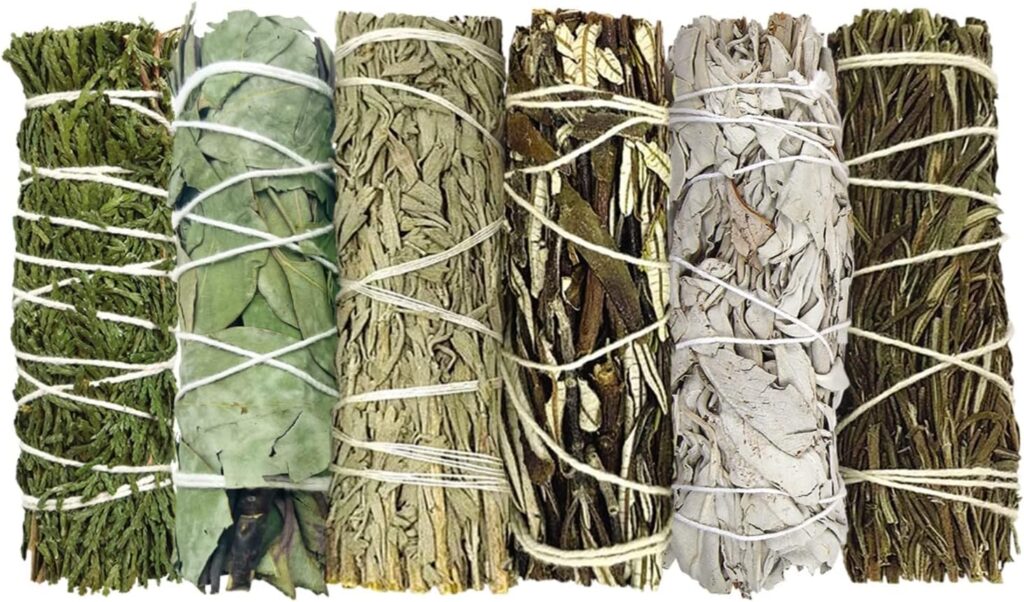
Smoke cleansing is an ancient practice found in nearly every corner of the globe, from the frankincense trails of the Middle East to the “saining” traditions of the Scottish Highlands. At its core, it is the use of airborne botanical elements to shift the energetic frequency of a space, object, or person.
The Mechanics of Smoke Cleansing
When we burn sacred plants, we are engaging with the elemental transition from Earth (the herb) to Fire (the spark) to Air (the smoke).
- The Intent: Smoke is visible breath. By wafting it, you are physically directing your intention to “scrub” away stagnant energy—often referred to as miasma—and replace it with the properties of the plant being used.
- The Science: Beyond the spiritual, some studies suggest that certain medicinal smokes (like wood-based resins) can reduce airborne bacteria, though most modern practitioners focus on the psychological and “vibrational” reset it provides.
Navigation the Language: Smudging vs. Smoke Cleansing
It is important to distinguish between a general technique and a specific cultural rite.
| Term | Context |
| Smoke Cleansing | A universal, secular, or multi-faith practice of using smoke to purify. |
| Smudging | A specific, closed ritual belonging to many Indigenous North American nations (such as the Lakota or Ojibwe) that involves specific prayers, tools (like an abalone shell), and protocols. |
Using the term “smoke cleansing” honors the practice without claiming a lineage that isn’t ours. It respects the fact that for many Indigenous people, smudging was once illegal under colonial law; using the term casually can feel like a erasure of that history.
A Guide to Sacred Herbs & Resins
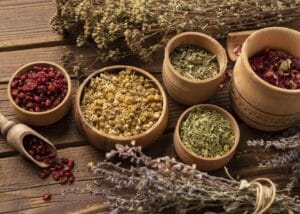
Choosing your botanical ally is the most personal part of the ritual. Each plant carries a different “personality.”
- Garden Sage (Salvia officinalis): An excellent, sustainable alternative to White Sage. It clears negativity while inviting wisdom.
- Lavender: Used for peace, tranquility, and calming a “loud” or anxious room.
- Rosemary: One of the oldest incense herbs, used for protection and clearing the mind for better memory.
- Cedar: Often used for deep protection and “grounding” a space after a major life change.
- Frankincense & Myrrh: These resins offer a high-vibrational, “temple” feel, often used for deep meditation or consecrating tools.
The Ethics of the Harvest
The commercialization of “Witchcraft” has put immense pressure on wild plant populations.
- White Sage (Salvia apiana): Over-harvesting in the wild has led to it being listed as “at-risk.” If you aren’t growing it yourself or buying from an Indigenous-owned farm, consider using Garden Sage instead.
- Palo Santo (Bursera graveolens): This “Holy Wood” should only be harvested from naturally fallen branches that have aged on the forest floor for years. Illegal logging for the “New Age” market is a significant issue.
Pro-Tip: The most ethical herb is the one in your spice cabinet or backyard. Basil, Mint, and Thyme all have potent cleansing properties and require zero ethical “homework.”
How to Perform a Basic Cleansing
- Prepare the Space: Open at least one window. The energy (and smoke) needs an exit strategy.
- Set Your Focus: State your goal. “I clear this space of all that no longer serves me.”
- Light and Fan: Light your bundle or resin. Blow out the flame so it embers. Use a feather or your hand to direct the smoke into corners, where energy tends to “settle.”
- Extinguish Safely: Press the herb into a fire-proof bowl or sand. Never leave burning herbs unattended.