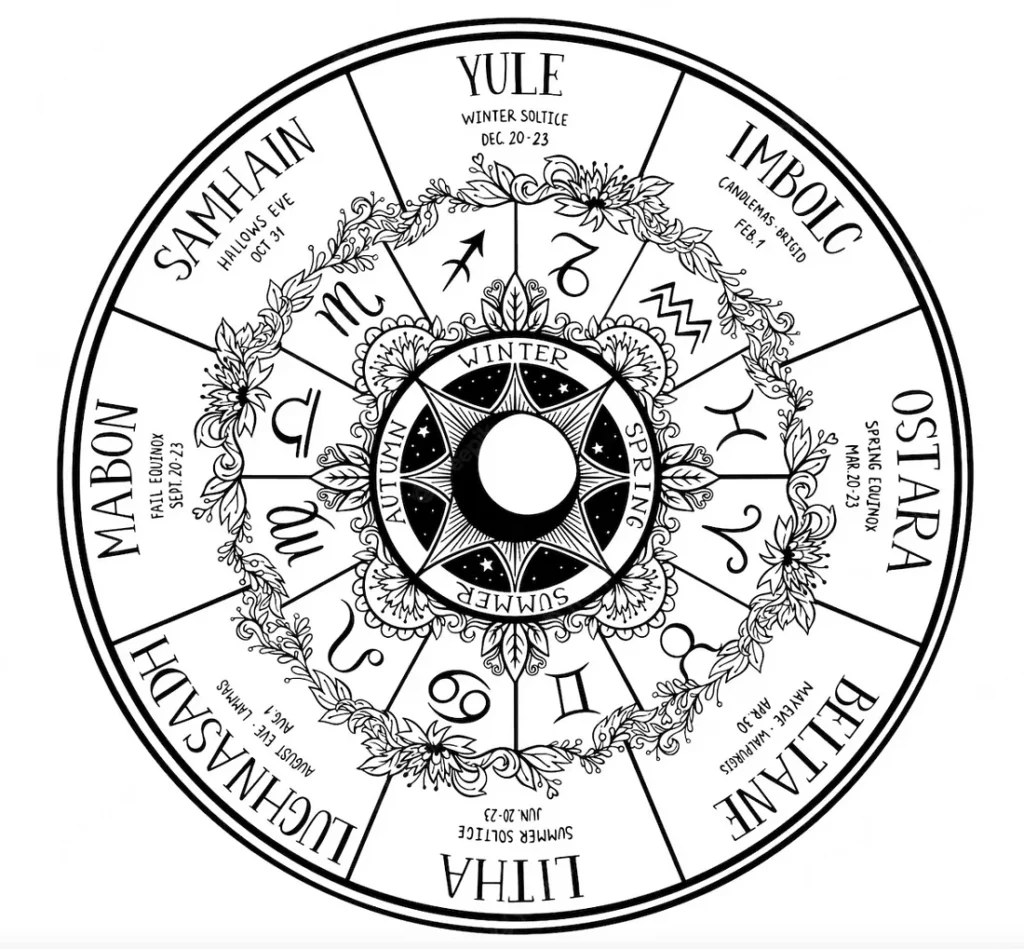
Finding your footing in the world of witchcraft can feel like stepping into a vast, ancient forest. There are endless paths to take, but for many new practitioners, the Wheel of the Year serves as the ultimate map.
By following this solar calendar, you aren’t just marking dates on a page. You are aligning your personal energy with the natural rhythms of the Earth. Here is why understanding and practicing the Wheel of the Year is a foundational step for every modern witch.
What is the Wheel of the Year?
The Wheel of the Year is a cycle of eight festivals, known as Sabbats, that track the sun’s journey across the sky and the changing of the seasons. It is divided into two main categories:
- The Quarter Days: These align with astronomical events like the Solstices and Equinoxes.
- The Cross-Quarter Days: These fall at the midpoint between the astronomical dates and often signal the peak of a season.
The Eight Sabbats at a Glance
| Sabbat | Approximate Date | Core Theme |
| Yule | December 21 | The Winter Solstice; rebirth of the light. |
| Imbolc | February 1 | The first stirrings of spring and purification. |
| Ostara | March 21 | The Spring Equinox; balance and growth. |
| Beltane | May 1 | The peak of Spring; fertility and fire. |
| Litha | June 21 | The Summer Solstice; power and abundance. |
| Lammas | August 1 | The first harvest and gratitude. |
| Mabon | September 21 | The Autumn Equinox; reflection and second harvest. |
| Samhain | October 31 | The final harvest; honoring ancestors and the veil thinning. |
Why the Wheel of the Year Matters for New Practitioners
As a beginner, it is easy to feel “unplugged” from your practice if you aren’t performing a ritual every single day. The Wheel provides a consistent, built-in structure that keeps you engaged.
1. Grounding and Centering
Modern life often separates us from nature. We have artificial lights, climate-controlled rooms, and grocery stores that sell summer fruits in the dead of winter. Practicing the Wheel of the Year forces you to look outside. It teaches you to notice the subtle shift in the wind or the way the light changes in October. This grounding is the “battery” that powers your magic.
2. Understanding Cycles of Manifestation
Magic isn’t just about wishing for something and having it appear. It follows the laws of nature. The Wheel teaches you that there is a time for planting (Ostara), a time for tending (Litha), and a time for letting go (Samhain). By following this cycle, you learn when to push for your goals and when to rest.
3. Building Ritual Consistency
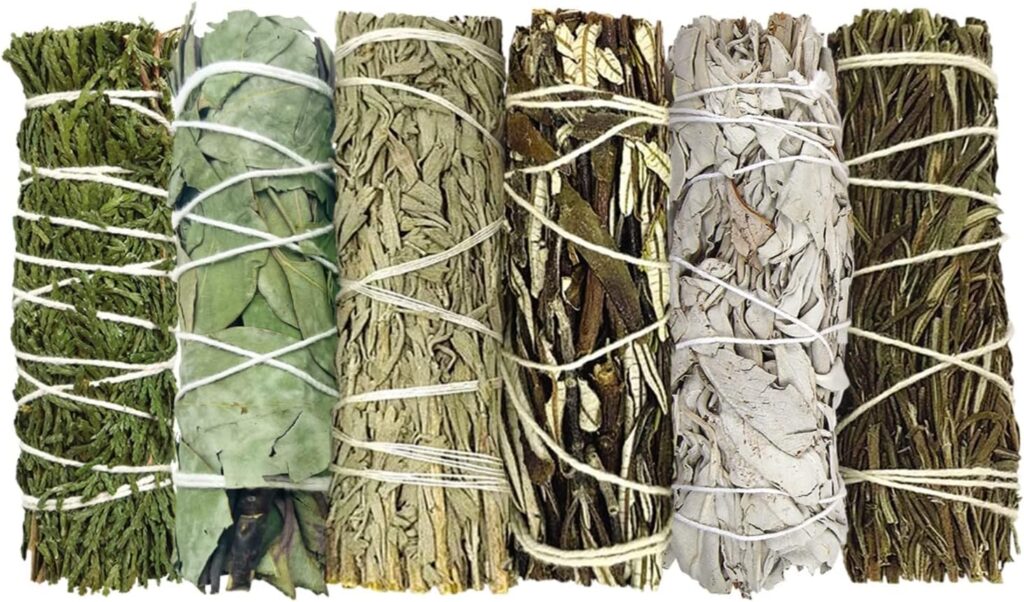
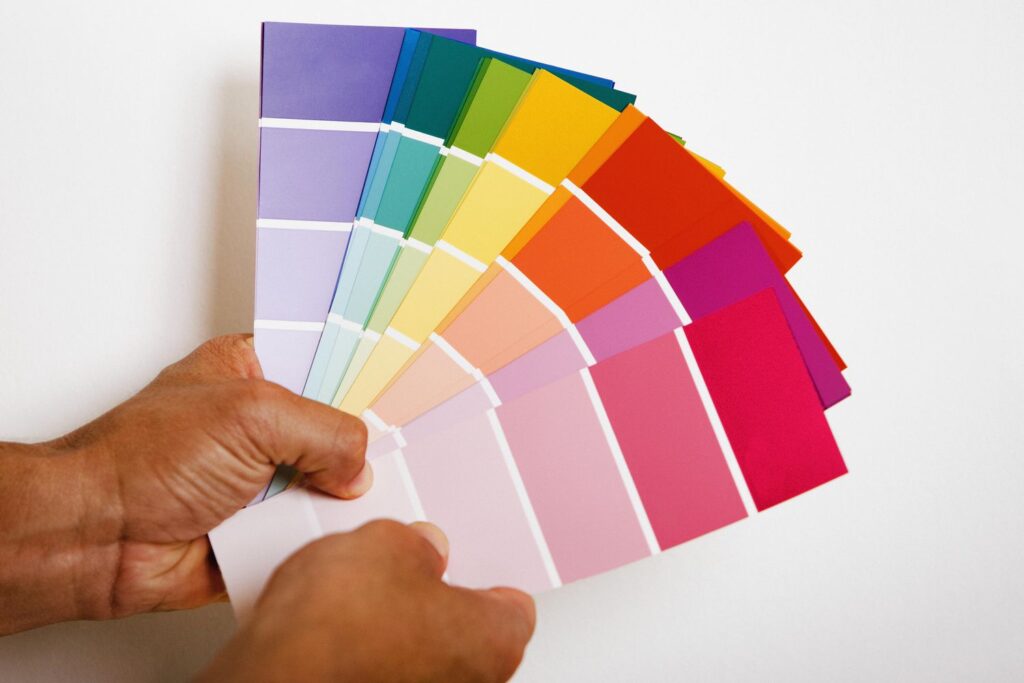
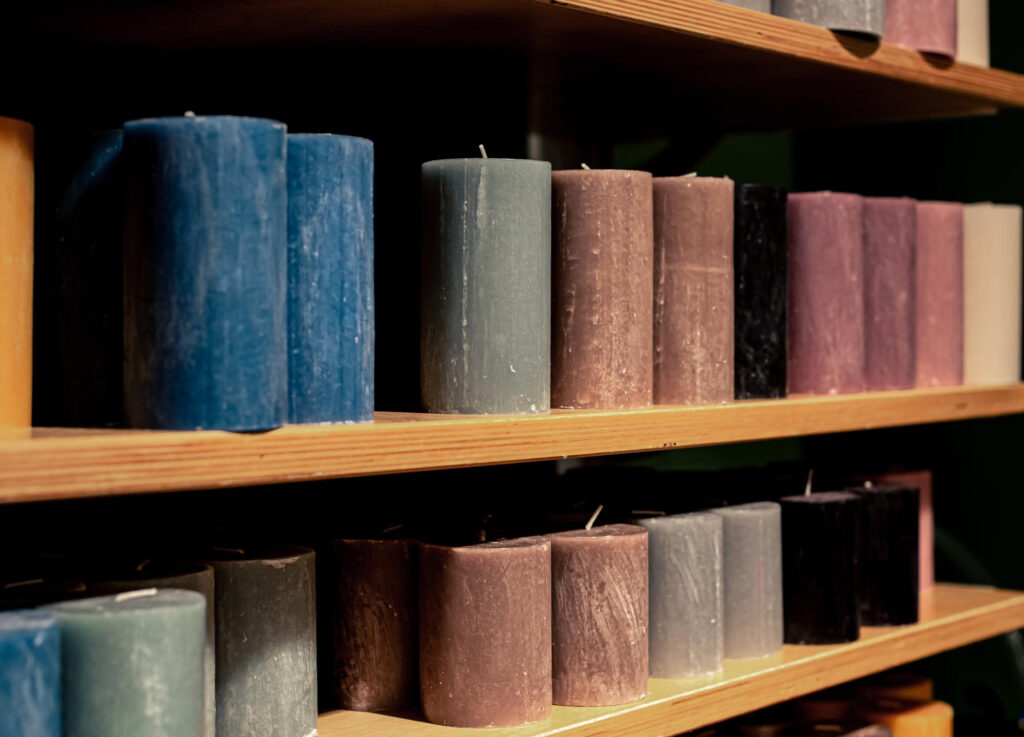
The Wheel gives you eight distinct opportunities a year to practice your craft without the pressure of “making it up” as you go. Each Sabbat has its own traditional colors, herbs, and intentions. This provides a clear framework for you to learn how to set an altar, cast a circle, or perform a simple candle spell.
4. Connecting with History and Community
While the modern Wheel was formalized in the mid-20th century, its roots tap into ancient agricultural practices. By celebrating these dates, you connect with the “Witch’s Ancestry.” It also provides a shared language with other practitioners, making it easier to find community and shared celebrations.
How to Start Celebrating the Wheel of the Year
You don’t need expensive tools or a massive coven to honor the Wheel. Start small:
- Eat Seasonally: Cook a meal using ingredients that are currently being harvested in your local area.
- Decorate a Small Space: Place a few items on a shelf or windowsill that represent the current season (like acorns in autumn or dried flowers in spring).
- Step Outside: On the day of a Sabbat, spend ten minutes sitting on the earth. Observe what the plants and animals are doing.
The Wheel of the Year is more than a calendar. It is a tool for transformation. As the Wheel turns, you turn with it, growing more confident in your power and more connected to the world around you.