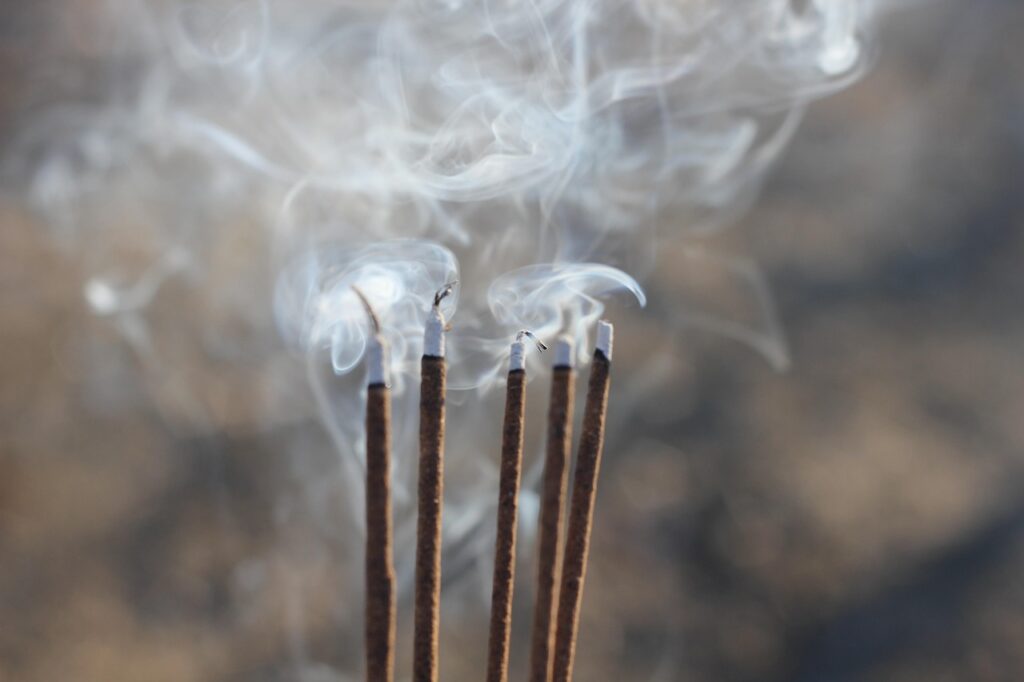
Have you ever noticed how one scent can change your mood in seconds, like flipping a light switch in your head? That’s a big part of why incense in witchcraft works so well. It gives your mind a clear signal: you’re stepping out of “normal time” and into ritual time.
You don’t need a fancy altar or rare ingredients to start. If you can safely light incense, you can build a steady practice that supports cleansing, spellwork, ancestor offerings, meditation, and even simple daily routines.
Why incense in witchcraft matters (it’s not just “nice smell”)
Incense in witchcraft does two jobs at once. First, it sets atmosphere. Your brain ties scent to memory fast, so the same incense used during prayer or spellwork can pull you into that state again later.
Second, it gives your intention something physical to ride on. Many traditions link incense smoke with the element of Air (and sometimes Fire), which fits the idea of sending thoughts, prayers, and petitions outward. If you want a straightforward overview of how incense shows up in modern ritual practice, this beginner’s guide to incense magic is a solid reference point.
Choosing the right incense in witchcraft

Photo by Polina Tankilevitch
You’ll see three main types, and each feels a little different in practice.
Stick incense (easy, steady, beginner-friendly)
Stick incense is simple to use, usually affordable, and burns at a predictable pace. It’s great for daily cleansing or a quick focus boost before you journal or read tarot. The downside is that some brands use heavy perfume or filler, which can smell harsh and create thicker smoke.
Cones (strong scent, shorter burn)
Cones tend to burn faster and smell stronger. If you want a short ritual that still feels “real,” cones can be perfect. They’re also easier than charcoal if you’re not ready for loose blends.
Loose incense and resins (custom, traditional feel)
Loose incense (herbs, resins, powders) gives you the most control. You can make blends that match your exact intention, and resins like frankincense or myrrh have a temple-like vibe that many people love. You’ll usually burn these on charcoal, so it takes more setup and more attention.
Incense in witchcraft correspondences that feel practical (not memorized)
Correspondences don’t have to be strict rules. Think of them like a playlist. You pick what fits the mood and the goal, then repeat it often enough that it becomes “your” signal.
Here’s a simple starting map you can actually use:
| Incense scent | Best for | When you’ll reach for it |
|---|---|---|
| Frankincense | Cleansing, clarity, sacred space | Before rituals, after conflict, during prayer |
| Myrrh | Protection, grief work, deep grounding | Shadow work, endings, ancestor time |
| Copal | Ancestors, offerings, spirit connection | Day of the dead style altars, family rites |
| Rose | Love, self-worth, sweetening | Self-love spells, harmony in the home |
| Lavender | Calm, sleep, gentle healing | Before bed, after stress, during recovery |
| Cedar | House cleansing, protection | New home energy, warding work |
If a scent makes you feel tense or sick, skip it. Your body’s “no” matters as much as any book’s “yes.”
How to use incense in witchcraft (six ways that don’t feel forced)
Incense in witchcraft works best when you keep it simple and repeatable. You’re not trying to create smoke for smoke’s sake, you’re building a reliable pattern your mind and space respond to.
1) Cleanse your space without making it a big production
Light incense, crack a window, and walk it through the room slowly. While you do, name what you’re clearing in plain words (stress, leftover arguments, heavy mood). You can finish by setting the new tone you want, like peace, focus, or rest.
2) Dress a candle or petition with scent
If you’re doing candle magic or writing a petition, burn incense during the setup. Let the smoke “season” the moment. You’re pairing your intention with smell, which helps you hold focus.
3) Use incense in witchcraft as an offering (low effort, high meaning)
Offerings don’t need to be expensive. If you work with ancestors, deities, or land spirits, incense can be a clean, simple gift. Light it, greet who you’re honoring, and be specific about why you showed up.
4) Raise energy for spellwork
When you want a spell to feel alive, incense helps you shift gears. It gives your hands something to do (lighting, placing, tending), and it signals your nervous system that you’re “in it.”
For more examples of how practitioners work incense into spells and ritual routines, you can compare approaches in this overview of incenses used in magick and spell work.
5) Anchor meditation and trance
Pick one incense you only use for meditation. Over time, that scent becomes a shortcut into a calmer, more focused state. It’s like hearing the first notes of a song and instantly knowing the mood.
6) Try simple smoke watching (with realistic expectations)
Some witches read smoke patterns for yes or no answers, mood shifts, or “how it’s going.” If you try this, keep it gentle. Ask one clear question, watch for a minute, then write what you noticed. Don’t twist yourself into knots trying to make it say something.
Making your own incense blends (a beginner approach that works)
Homemade incense in witchcraft is popular right now because it’s personal and you can keep it small. You don’t need to become an herbalist overnight, you just need a safe method and a notebook.
A simple starting formula for loose incense is:
- 3 parts dried herb (like lavender, rosemary, or mugwort if you tolerate it)
- 1 part powdered resin (optional, like frankincense)
- 1 part makko powder (helps it burn more evenly)
You can burn a pinch on charcoal, or form tiny cones if you like experimenting. Start with very small test batches, because some resins get intense fast.
If you want more ideas for blends and practical use cases, this guide on how to use incense for magic includes tips and recipes you can adapt.
Safety and comfort while using incense in witchcraft (the part you shouldn’t skip)
Incense is still smoke. Treat it like fire and air quality both matter.
- Ventilation counts: open a window or at least keep air moving.
- Never leave it unattended: especially charcoal, which gets extremely hot.
- Use a real heat-proof burner: a ceramic censer, thick dish with sand, or a proper holder.
- Watch pets and kids: birds and small animals can be sensitive, and some people get headaches fast.
- Respect allergies and shared spaces: if you live with others, ask first. A daily practice should fit your real life, not fight it.
What’s trending in December 2025 (and what you can borrow)
Incense use has shifted in a practical direction. Instead of only saving it for big rituals, many witches now use it in short, repeatable “micro-rituals,” like a 2-minute cleanse before work or a quick offering before bed.
You’ll also see more people:
- Mixing small-batch loose blends instead of only buying sticks and cones.
- Picking scents that match both intention and mood, with a bit of aromatherapy logic (lavender to settle, peppermint to wake up).
- Paying closer attention to ethical sourcing and avoiding trendy use of plants with cultural boundaries or conservation concerns.
If you keep your practice honest, simple, and safe, you’ll fit right into where modern witchcraft is heading.
Conclusion
Incense doesn’t make you a witch, but it can make your practice feel steady and real. When you use incense in witchcraft with clear intention, safe tools, and scents you truly like, it becomes a reliable way to shift your space and your mindset. Start with one purpose, one incense, and one routine you’ll actually repeat. What scent do you want your magic to “sound” like in the air?




I wanted to take a moment to commend you on the outstanding quality of your blog. Your dedication to excellence is evident in every aspect of your writing. Truly impressive!